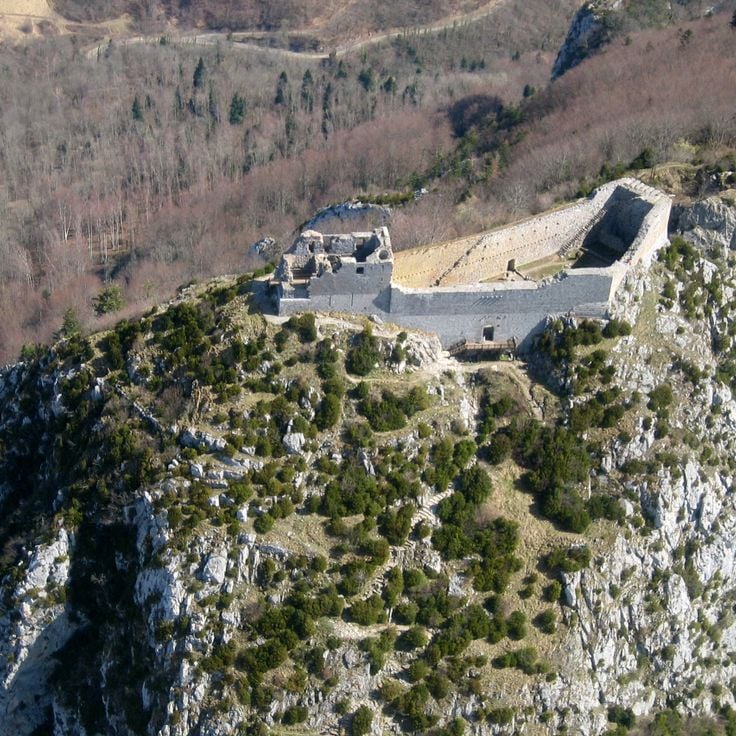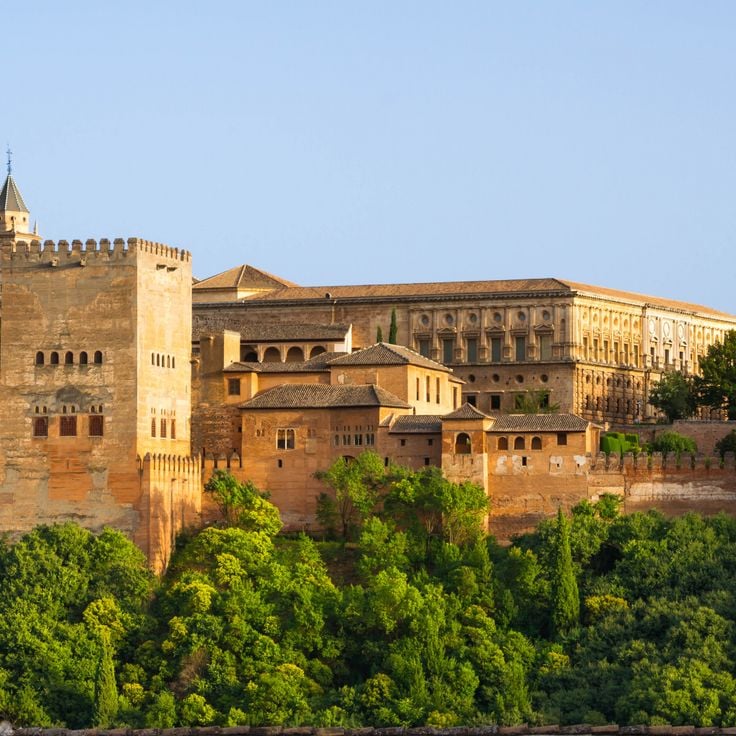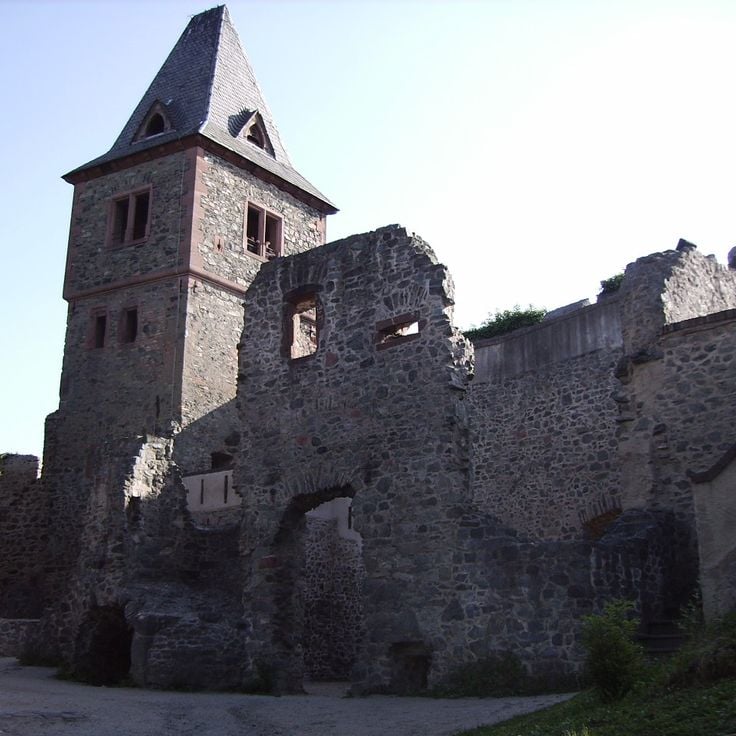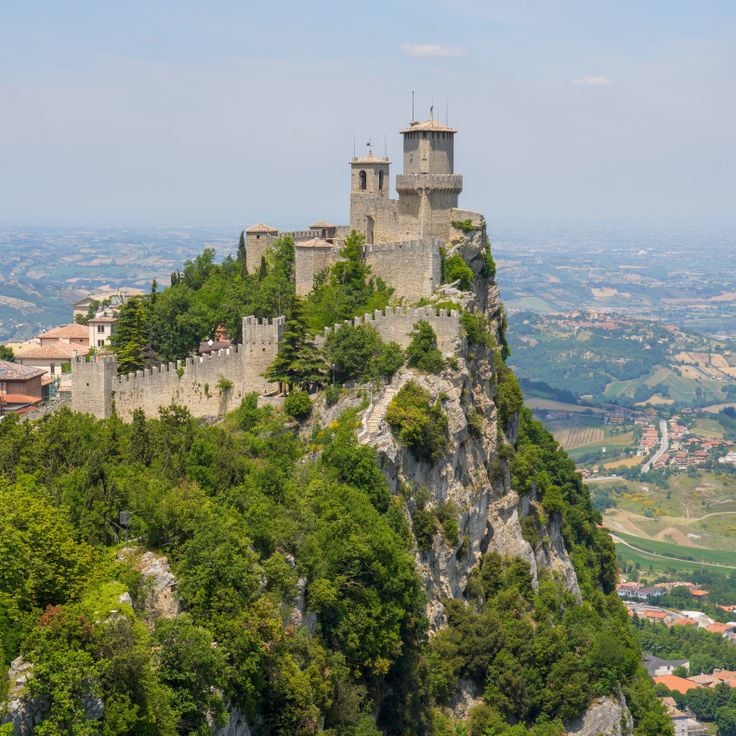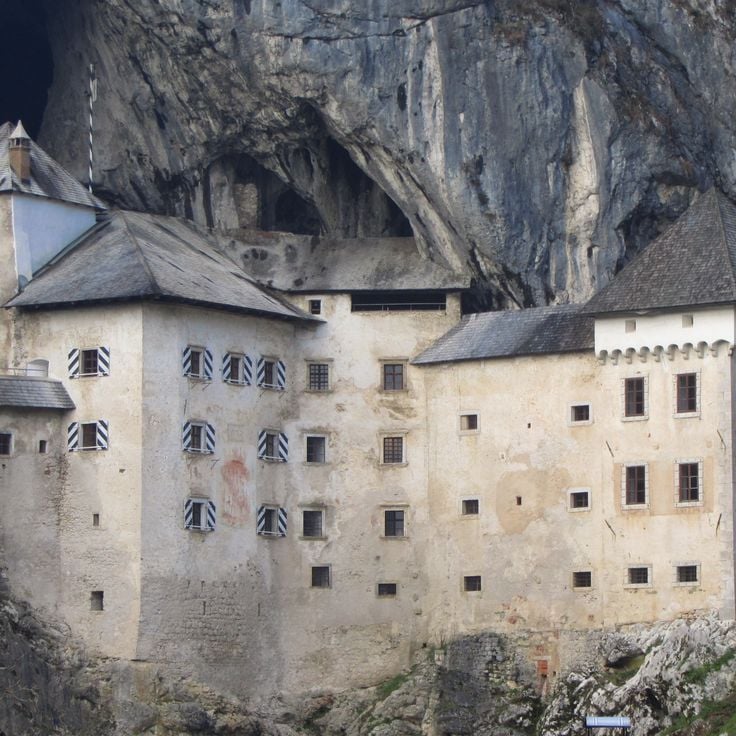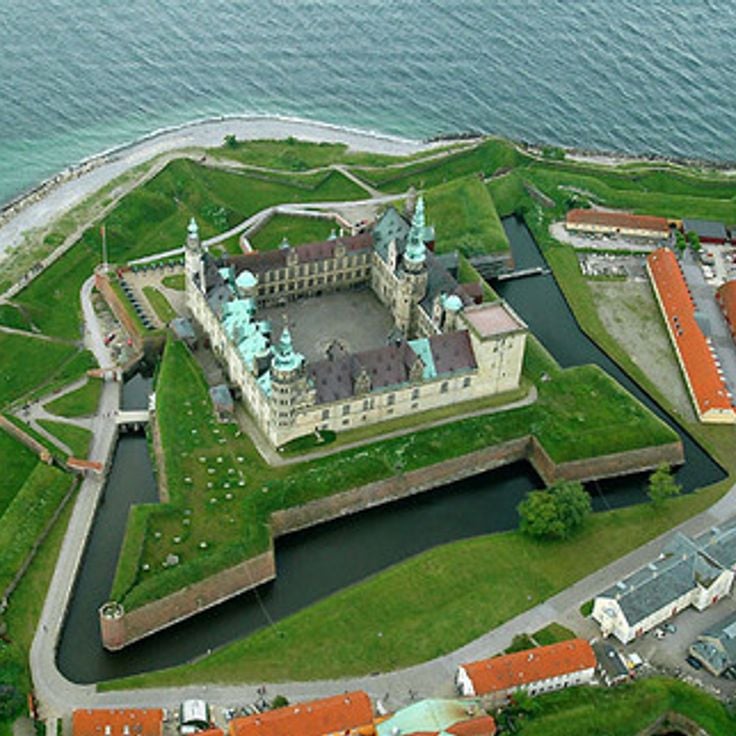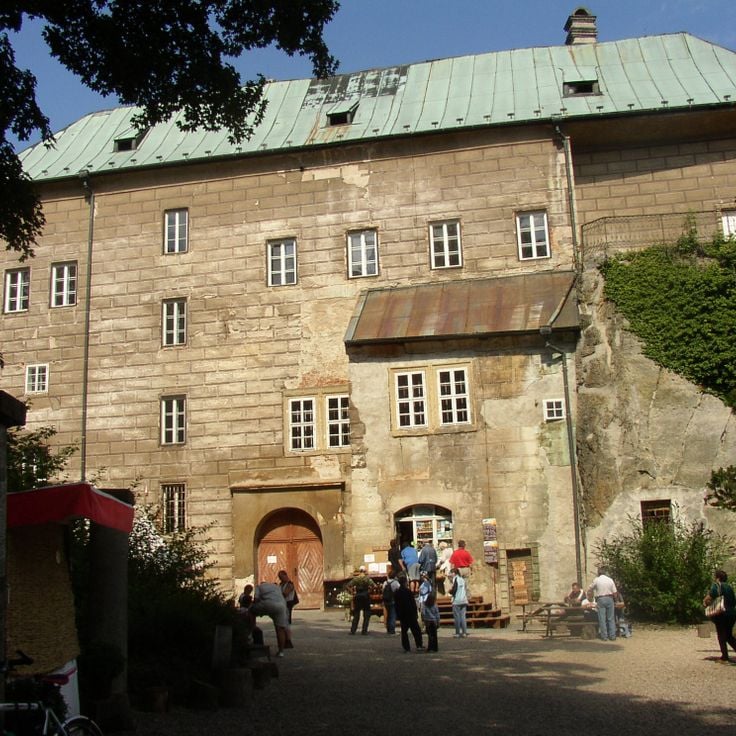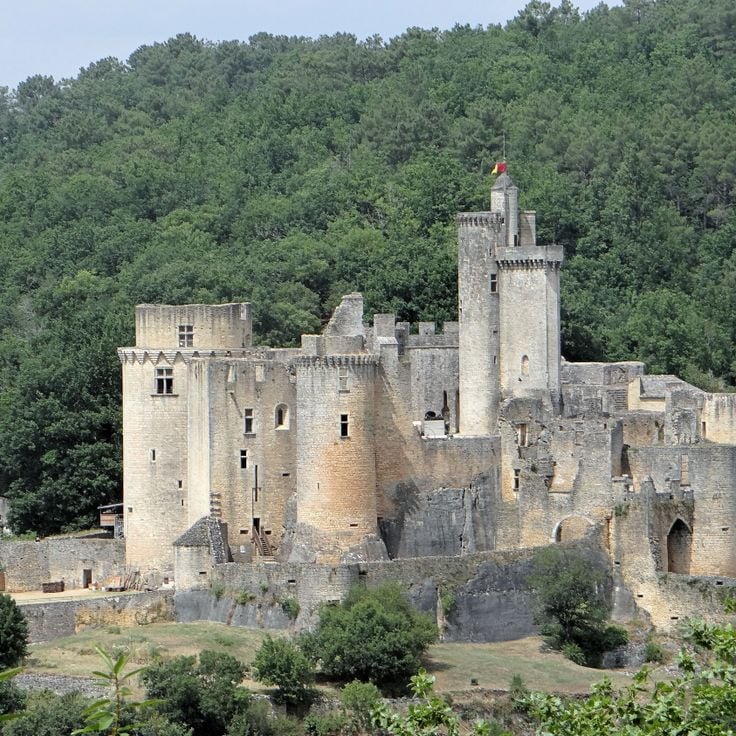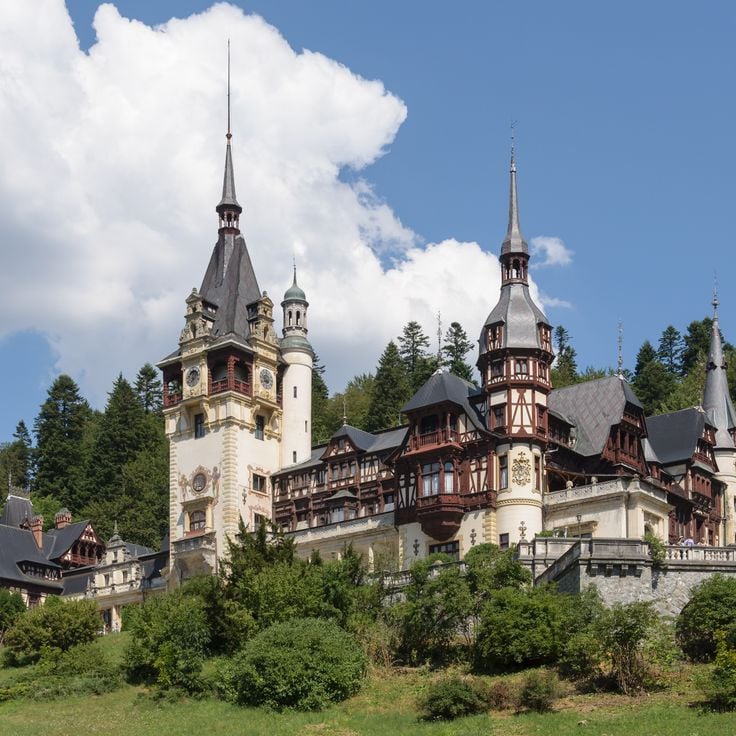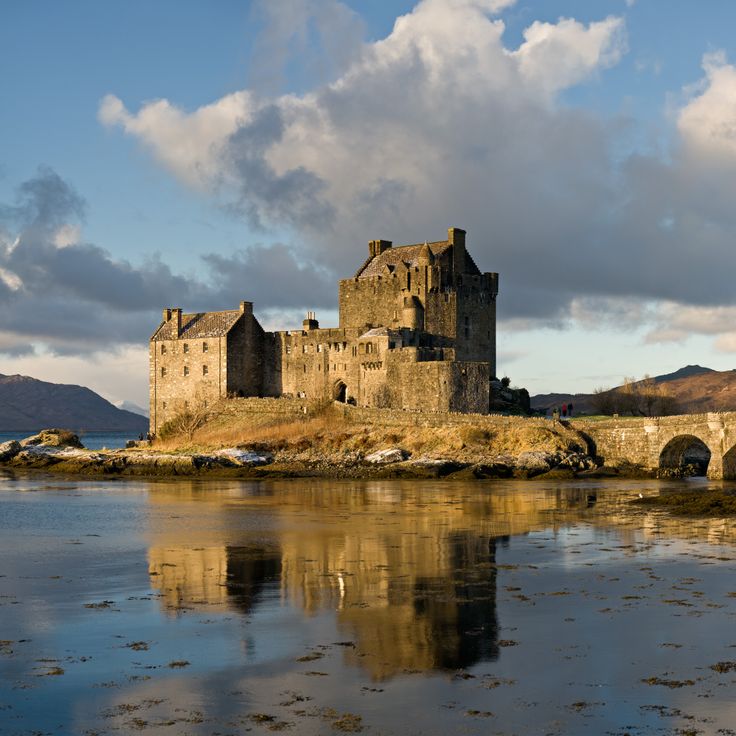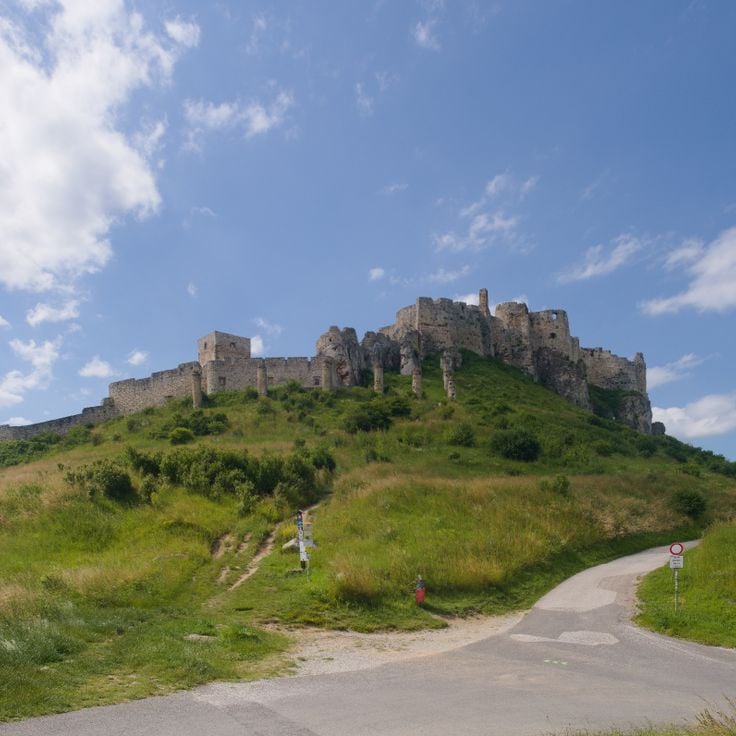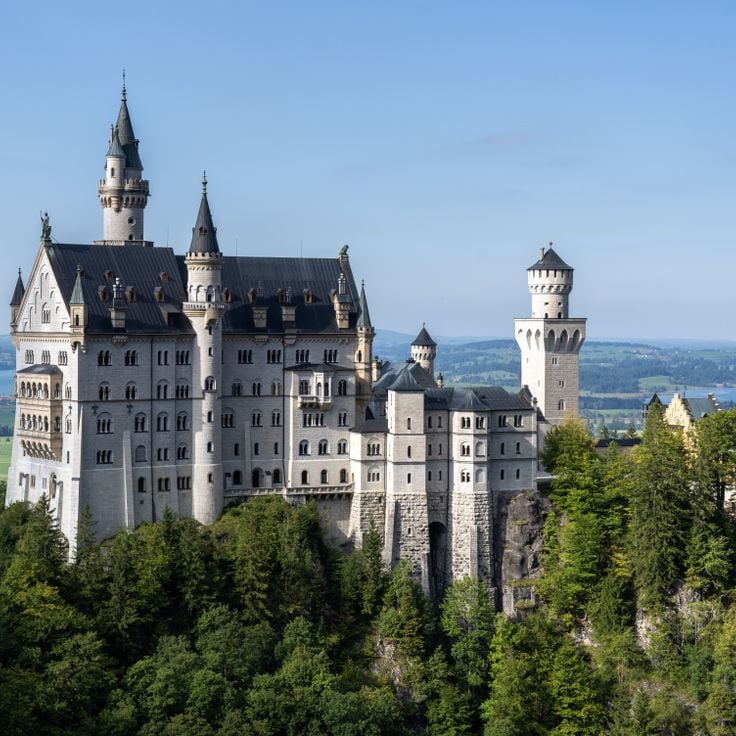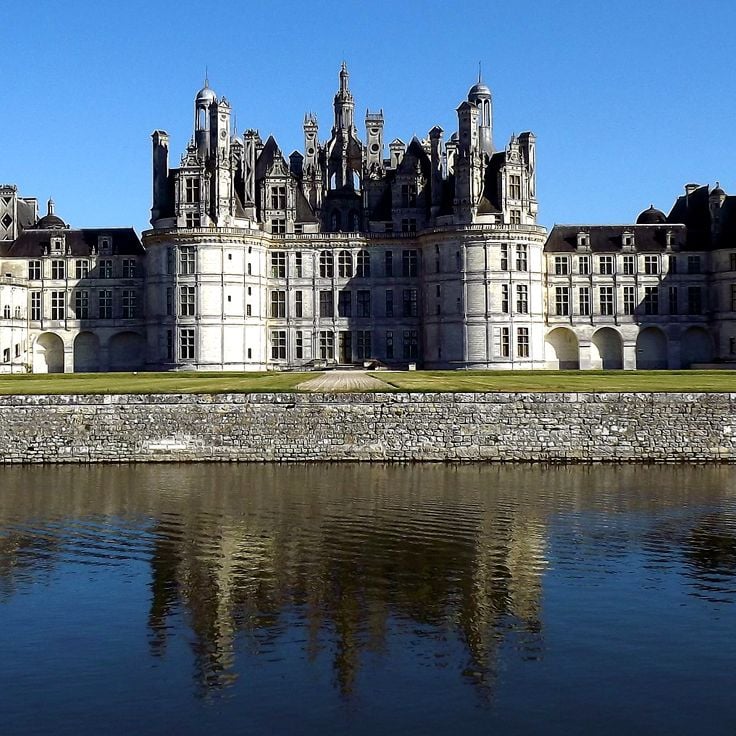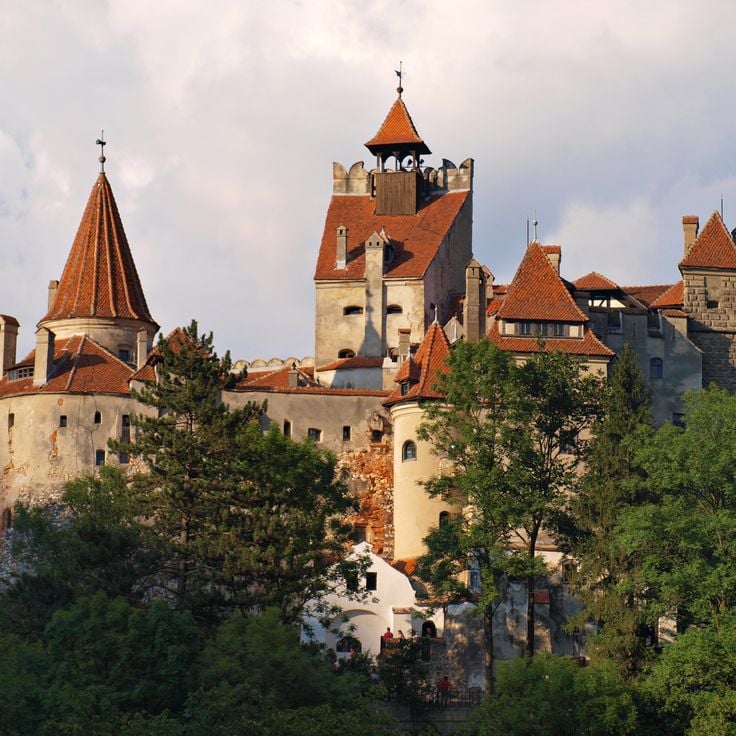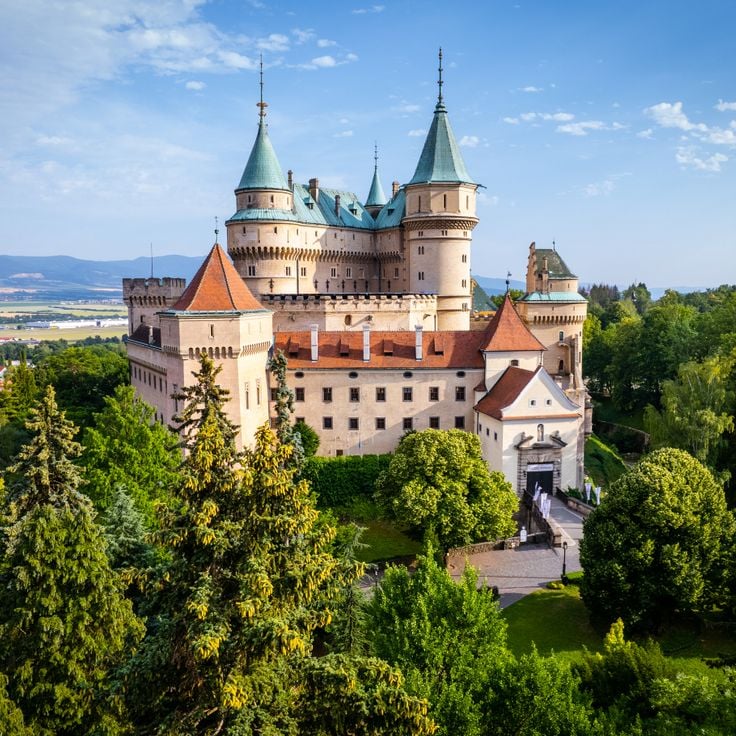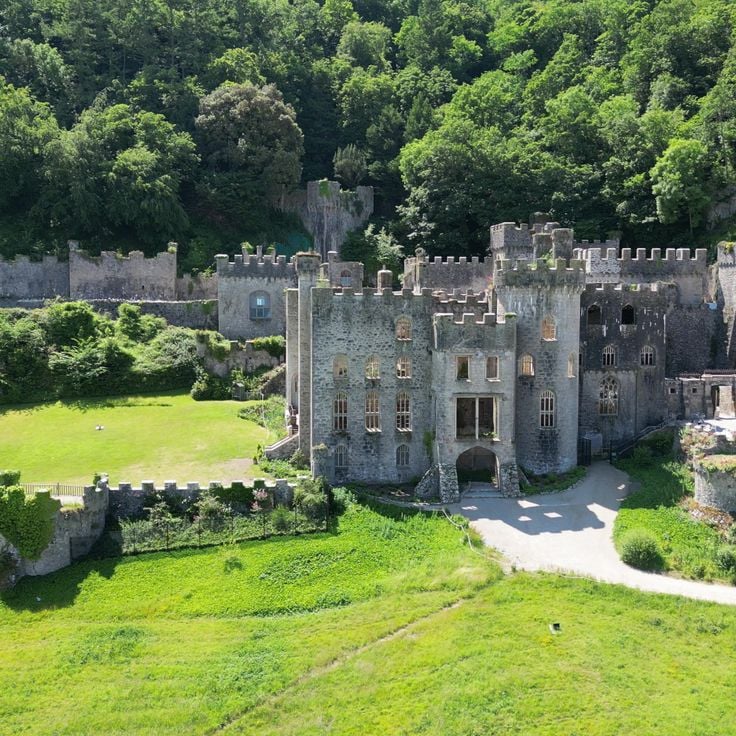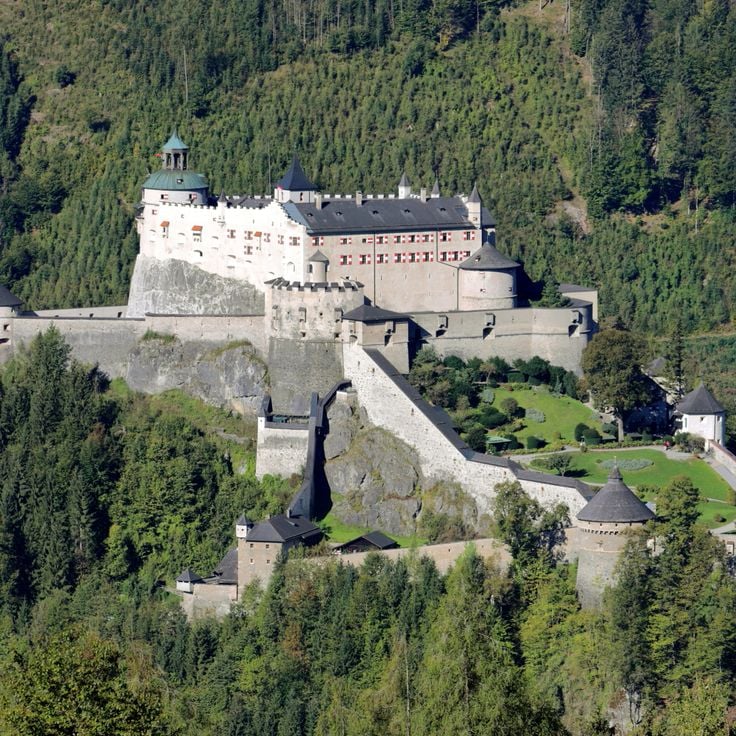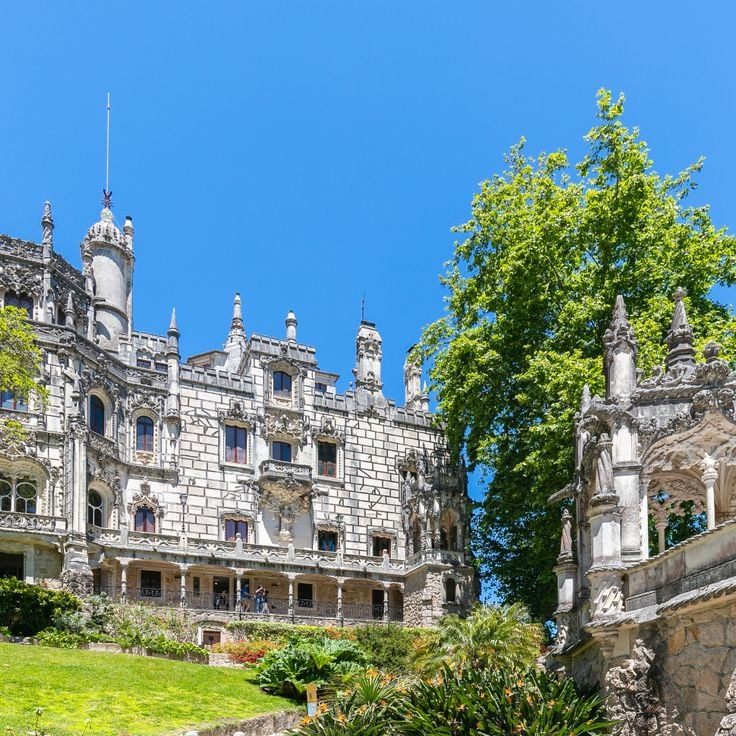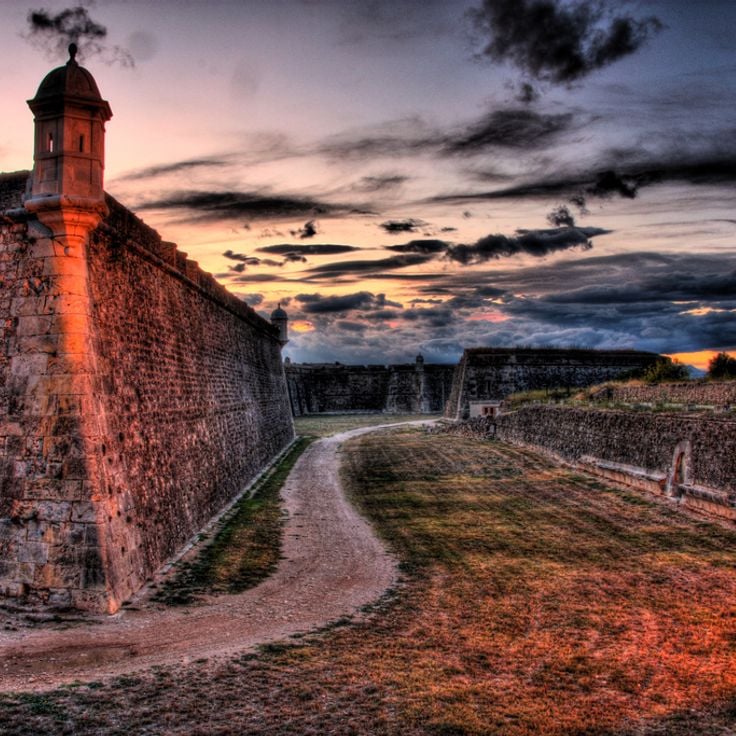
Medieval castles and fortresses span Europe, documenting defense systems and princely seats from the 9th through 16th centuries. These sites include mountaintop strongholds such as Montségur in the Pyrenees, island fortifications like Trakai in Lithuania, and coastal defenses such as Kronborg in Denmark. Construction methods range from Romanesque towers to late medieval artillery positions, from Moorish palaces like the Alhambra to Gothic defensive structures like Burg Eltz. Many of these sites feature multiple rings of fortifications, underground passages, and residential quarters that provide insights into both military and civil aspects of medieval life. The collection includes locations in varied geographical contexts. Predjama Castle in Slovenia is built into a cliff face, while Eilean Donan in Scotland occupies a tidal island. Fortresses such as Sant Ferran near Figueres demonstrate 18th century military architecture with star shaped bastions. Some sites like Neuschwanstein were constructed in the 19th century in historicist style, combining romantic ideals with engineering advances of their era. Further examples include Château de Chambord in the Loire Valley, Peles Castle in the Carpathian Mountains, and Bojnice in Slovakia. These sites document functions ranging from border fortresses to royal residences and show the evolution of European military architecture across several centuries.